Best time to visit Chiang Mai
Chiang Mai is known for a cooler November to February city week that fits temple walks, while March haze can sit in the valley. Songkran in mid-April is a water fight, not a calm wat morning.
Back to Chiang Mai
November to February is the cooler dry window, and March can hold farm-burn haze. Mid-April is Songkran: water, not silk, and May to October is green and wet on the ridges. Kew Mae Pan on Doi Inthanon runs November to May.
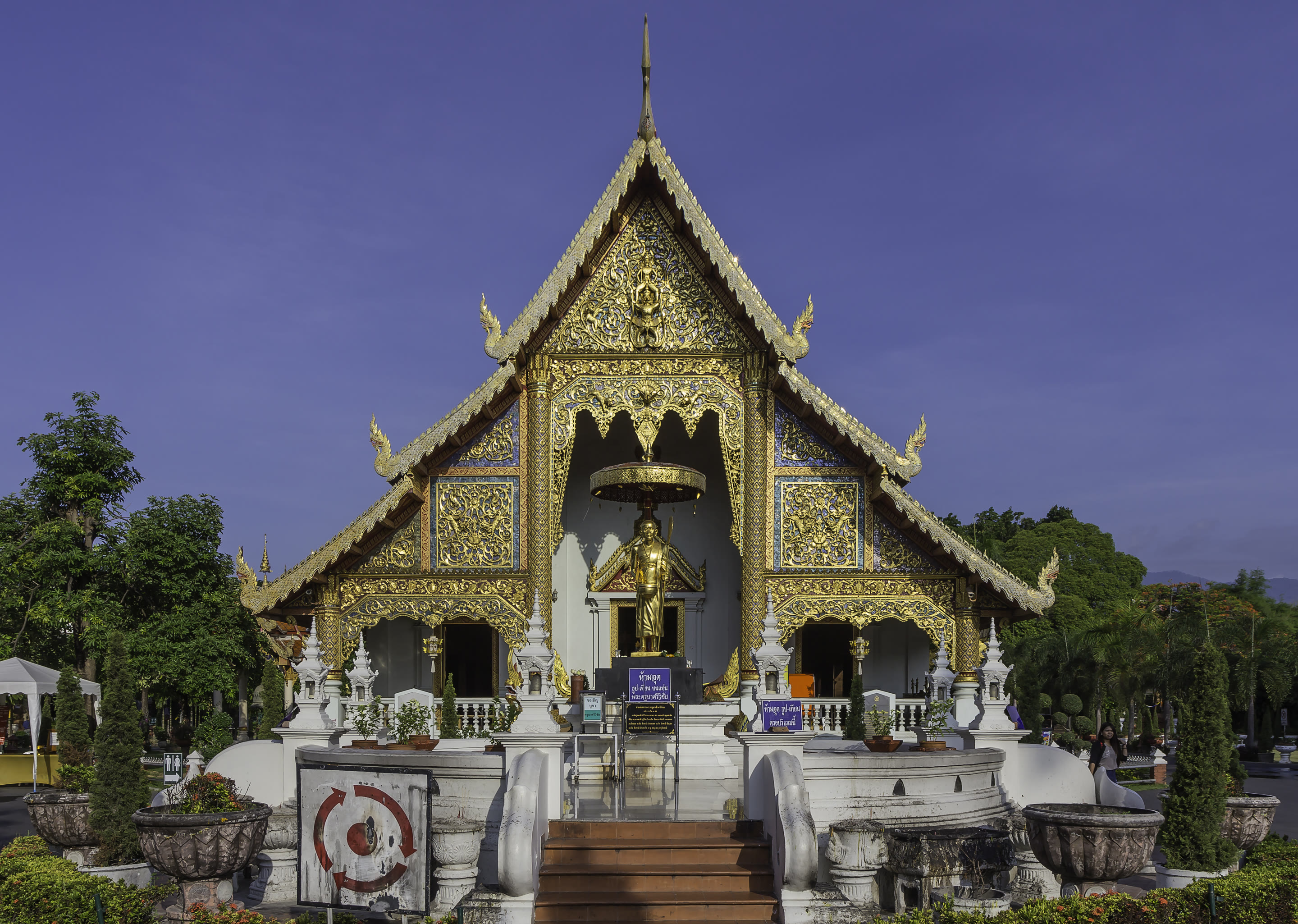
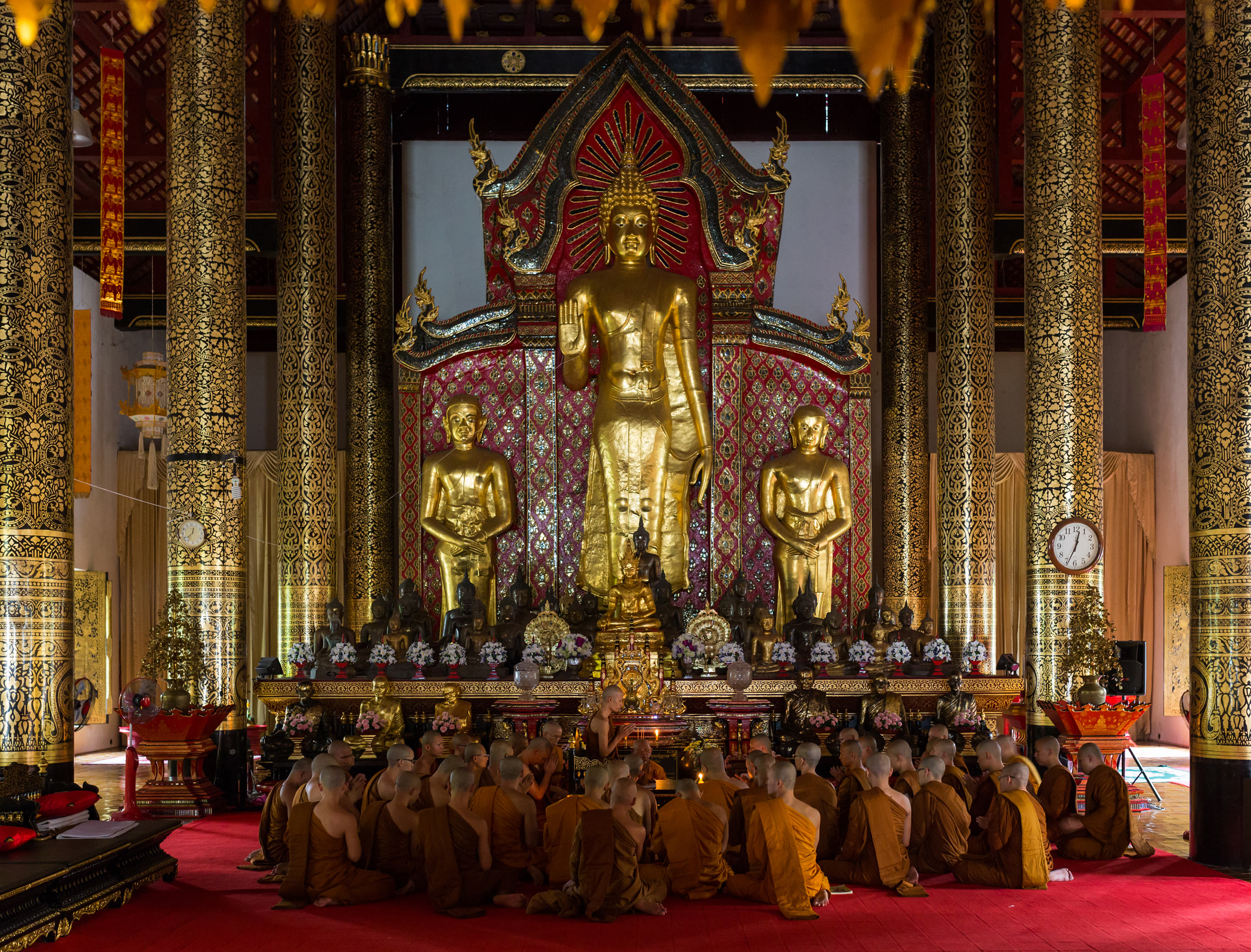
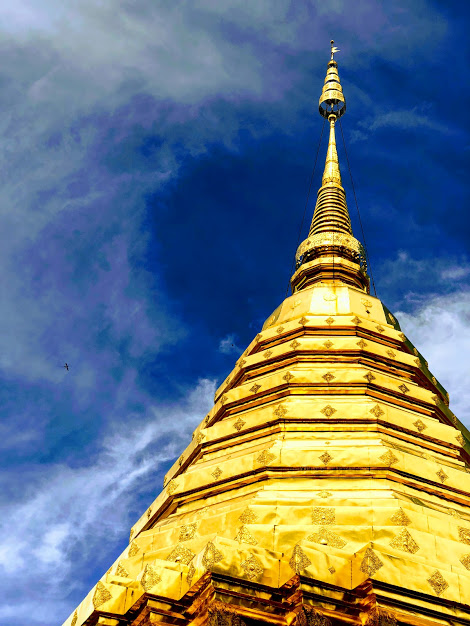
Temple dress still applies in rain, and Wat Chedi Luang is 50 THB. Doi Suthep is 30 THB plus a 60 to 100 THB songthaew; leave at 07:00, and pair this page with when to go. A coast week is a separate monsoon choice, not a same-week stack.
Month notes
- Nov to Feb: Cooler walks. Book Sunday-market weekends early.
- Mar to Apr: Check air quality. Songkran is mid-April.
- May to Oct: Green hills. Inthanon trails go slick.
Keep going

Book

Compare Across Southeast Asia: Northern Thailand vs. Vietnam
If you love Chiang Mai’s walled Old City, mountain valleys, and artisan markets, compare Vietnam’s northern highlands and heritage towns.
Hanoi
Vietnam’s northern hub for centuries-old guild streets, temple courtyards, and specialty robusta coffee culture.
Read the Hanoi guide →UNESCO Lantern TownHoi An Ancient Town
Shares Chiang Mai’s walkable historic core, custom tailors, cooking schools, and relaxed bicycle-friendly pace.
Read the Hoi An guide →Highland Terraces & TrekkingSapa & the Northern Mountains
Vietnam’s answer to Pai and Mae Hong Son: dramatic terraced valleys, cool mountain mist, and hill-tribe ridge trails.
Read the Sapa guide →Common questions
- Is March a bad Chiang Mai month?
- It can be if haze sits. Check air quality before you lock the hotel.
- Should you skip April?
- Skip a calm temple plan in Songkran week. Keep April if the water festival is why you came.